Seasonal Checklist: What to Look for in a UK Wetland Month by Month
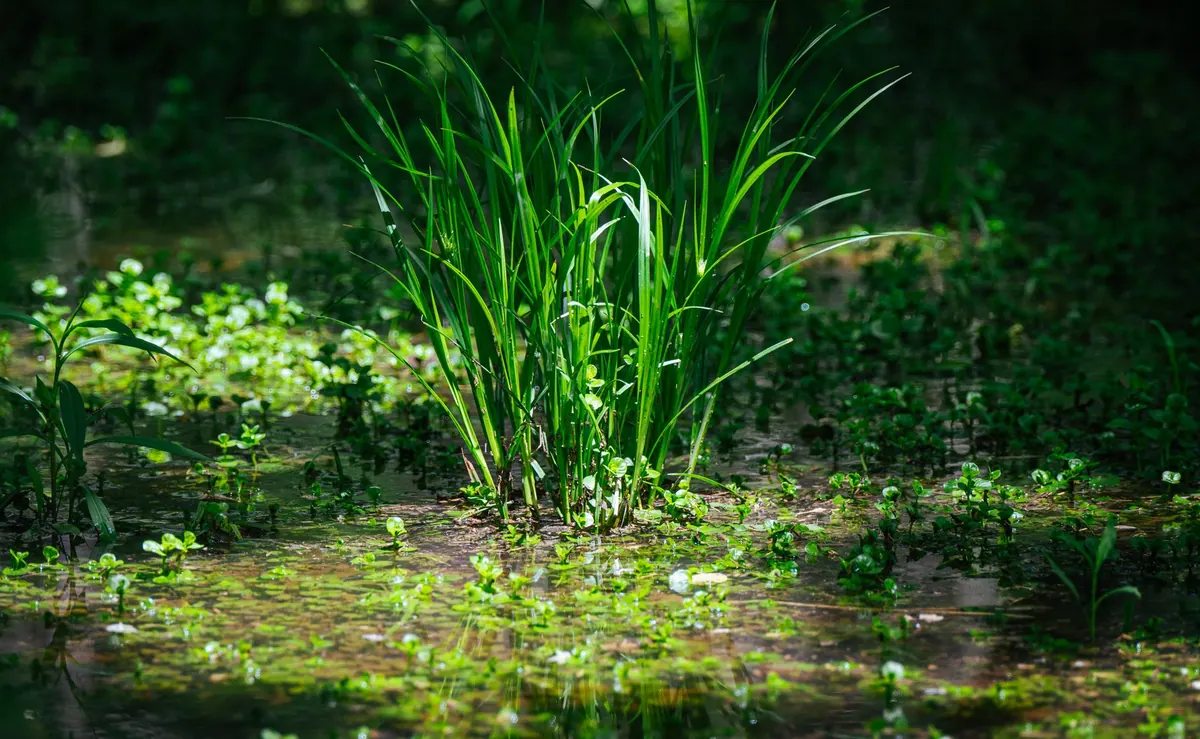
Wetlands change faster than almost any other habitat in Britain. A reedbed that looks asleep in January is a wall of sound by May, and a muddy margin in August can hold half a dozen wader species in one afternoon. Knowing what to expect in each month turns a pleasant walk into something closer to a conversation with the place. What follows is a rough calendar of activity — useful anywhere from a local pond to a large reserve, though the south-west always runs a week or two ahead of the north.
January and February: Cold-Weather Specialists
Midwinter is the quiet season for plants, but not for birds. Flooded grazing marshes and shallow lagoons fill with wigeon, teal and pintail, while diving ducks such as goldeneye and, on larger waters, smew and goosander work the deeper channels. Listen for the squealing, piglet-like call of a water rail from deep cover, and the soft pinging of bearded tits moving through the reeds.
Hard frosts are your friend. When the margins freeze, bitterns and water rails are pushed into the remaining open water and become far easier to see. Watch great crested grebes from late January as they begin head-shaking and the weed dance — one of the best courtship displays in Britain, and easy to watch from a hide.
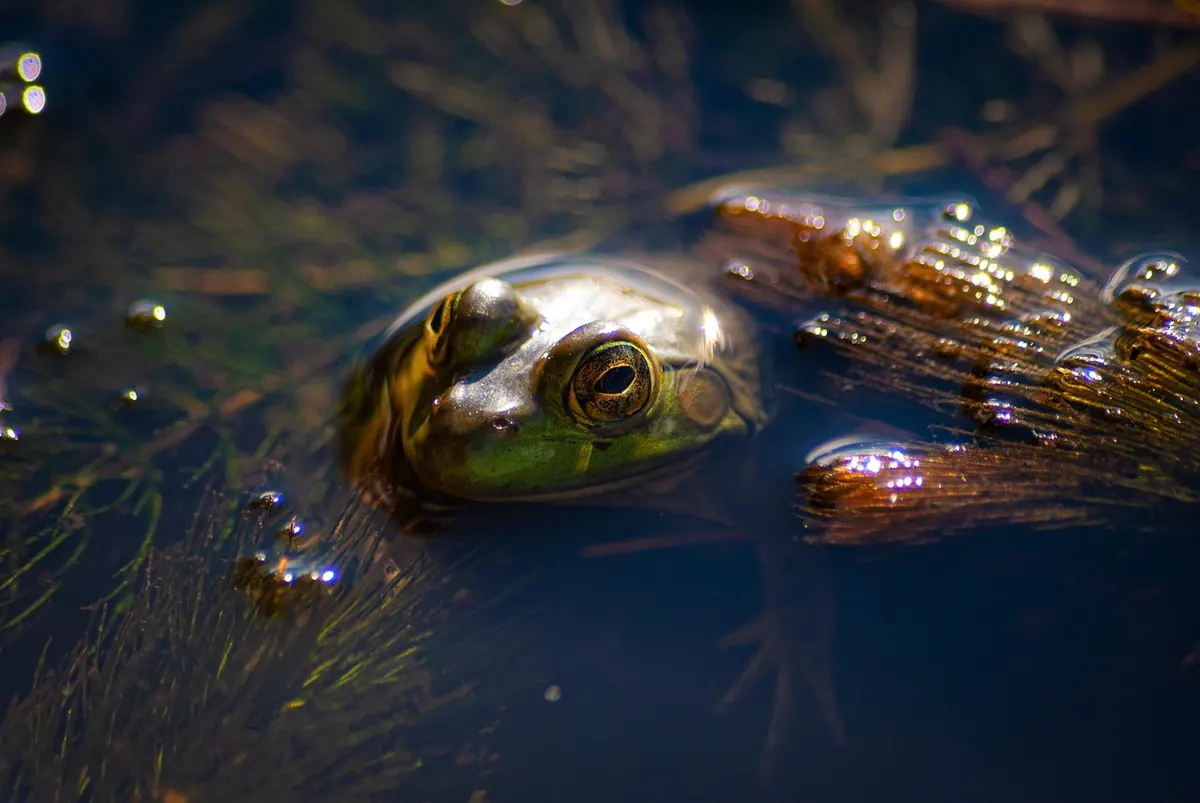
On milder days, look for the first hazel and alder catkins, followed by pussy willow in late February. Common frogs spawn earliest in the mild south-west, sometimes before the month is out. Clumps of spawn mean frogs; long strings mean toads.
Early fieldcraft
Reeds hold heat poorly, so a cold wind cuts straight through a hide. Thermals, a flask and gloves will buy you an extra hour.
March to May: The Great Awakening
March and April
The year turns on sound. Chiffchaffs sing from mid-March, sand martins flick over open water, lapwings tumble over wet fields and snipe drum overhead with their tail feathers. Willow warblers and blackcaps follow in early April; sedge warblers arrive mid-month, then reed warblers and the first cuckoo towards the end.
Plants catch up quickly: coltsfoot on bare mud, kingcups or marsh marigold in golden clumps at the water's edge, cuckooflower on damp grassland, the first yellow flag leaves pushing through. Brimstones, peacocks, commas and orange-tips are on the wing, and queen bumblebees are searching for nest sites. In the water, tadpoles cloud the shallows, smooth newts patrol the weed, and great crested newt females fold each egg carefully into a leaf.
May
Swifts scream over the water and hobbies hunt the first dragonflies — hairy dragonflies, four-spotted chasers and banded demoiselles along rivers. Southern marsh orchids, ragged robin, yellow iris and white water lilies all come into their own.
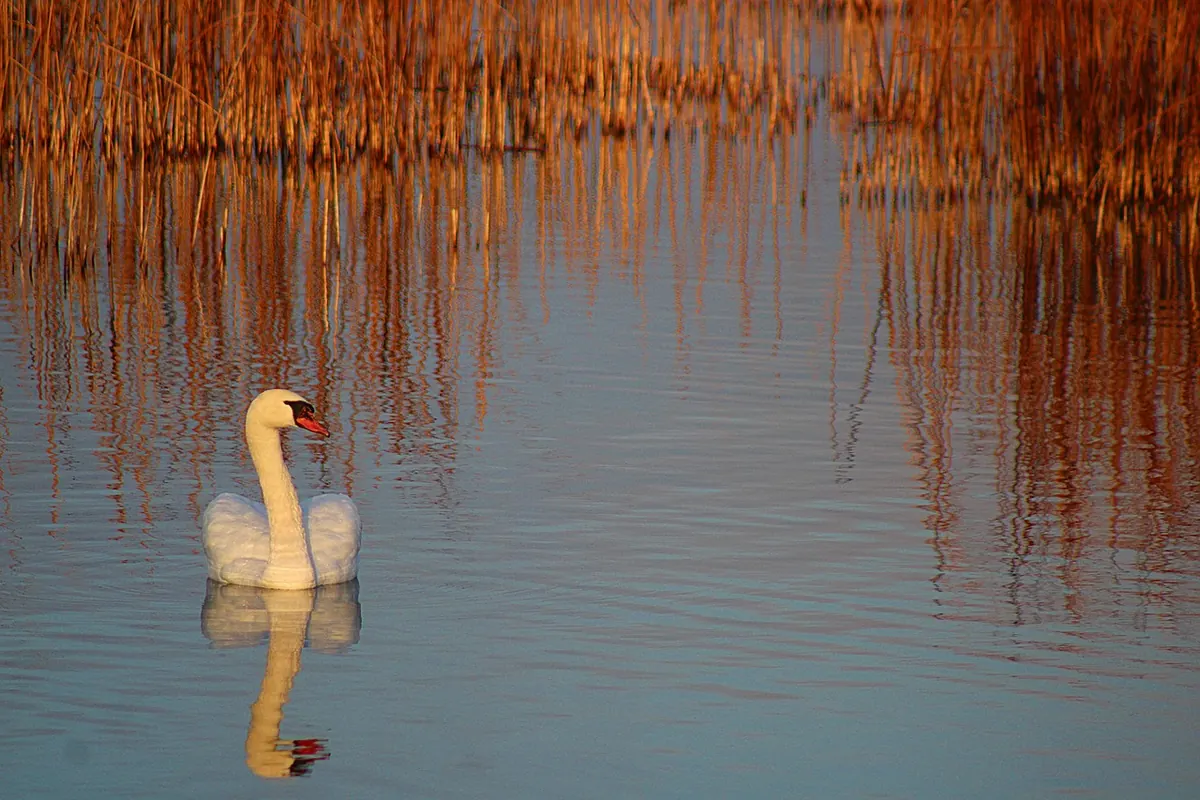
Nesting reaches its peak: mute swan cygnets on the nest, coot chicks in their red-and-black heads, great crested grebe chicks riding on a parent's back. On warm evenings, natterjack toads call in heathland pools. Enjoy them from a distance — torches and recordings disturb animals already under pressure.
June to August: Insects and Early Passage
High summer belongs to invertebrates. Emperor and broad-bodied chaser dragonflies patrol the channels, scarce chasers fly in fenland, and azure and blue-tailed damselflies settle in the margins. Purple loosestrife, meadowsweet, hemp agrimony and water mint turn the banks pink, cream and lilac. In the south-east, marsh frogs croak loudly enough to be mistaken for something much larger.
Late July brings the first hint of autumn. Waders that failed to breed or finished early drift back: green sandpipers, common sandpipers, black-tailed godwits, a few ruffs. Most male ducks are in eclipse plumage now, brown and confusing — this is the time to be careful with identification. By August, passage peaks with wood sandpipers, little stints and spotted redshanks, swifts depart, and common darters and migrant hawkers replace the summer dragonflies.
September to December: Return of the Wildfowl
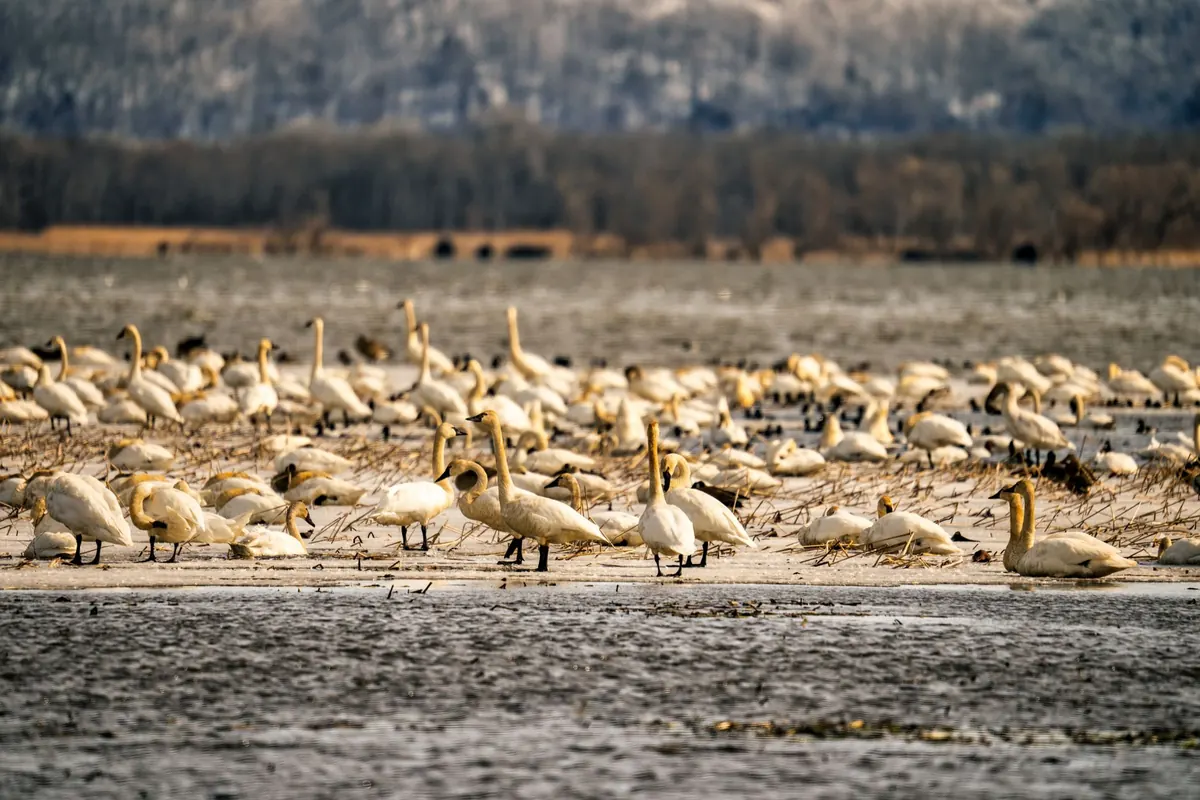
September is the month for movement. Swallows and martins gather in enormous roosts in reedbeds before they leave, with hobbies hunting them at dusk. Wildfowl begin to arrive: teal, wigeon, shoveler and pintail, pink-footed geese from late September and whooper swans from mid-October. Goldeneye and goosander follow, and smew often appear by December.
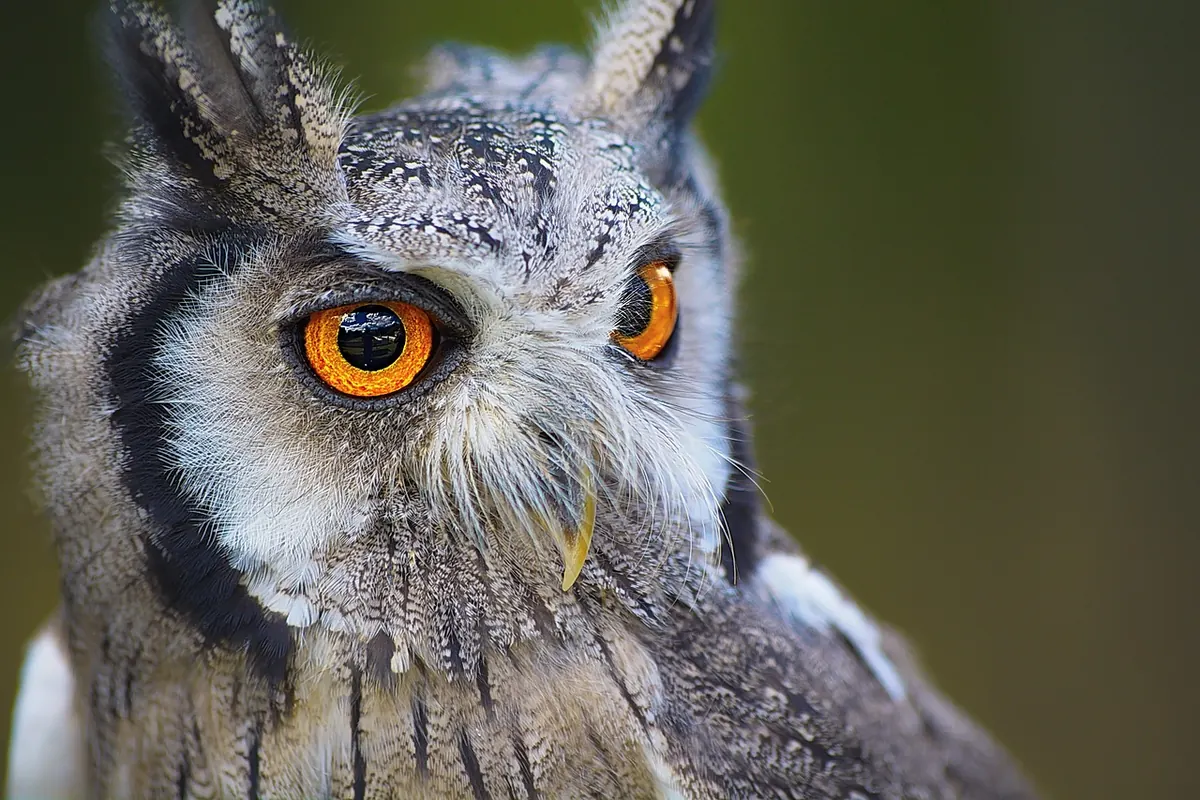
On land, redwings and fieldfares strip hawthorn and guelder rose; autumn is a good time to learn shrub identification by their berries. Hen harriers and short-eared owls gather at communal roosts, fungi push up through damp grass, and alder cones darken on the trees. Starling murmurations build over reedbeds from October, growing through the winter and ending, often suddenly, around the first cold snap or a shift in the wind.
The Month-by-Month Checklist
- January: goldeneye, pintail; water rail calls; hazel catkins.
- February: great crested grebe courtship; early frog spawn; pussy willow.
- March: chiffchaff, snipe drumming, lapwing display, kingcups.
- April: sedge warbler, orange-tips, toad spawn strings, newts active.
- May: swifts and hobbies, first dragonflies, marsh orchids, cygnets.
- June: emperor dragonflies, water lilies, fledglings everywhere.
- July: purple loosestrife; green sandpiper returns; ducks moulting.
- August: peak wader passage; common darter; swifts gone.
- September: swallow roosts, wheatears and chats on passage, berries ripening.
- October: wigeon and teal, pink-footed geese, first murmurations, fungi.
- November: whooper swans, short-eared owl roosts, most dragonflies gone.
- December: smew and goosander, brief bittern views in frost, longest murmurations.
Getting the Most From a Visit
Arrive early, then stand still for ten minutes before you do anything else. Most wetland birds and mammals respond to movement and silence, not to time spent in the car park. Binoculars are useful, but patience does more work.
Learn three or four calls properly rather than trying to hold every species in your head — water rail, bearded tit, cuckoo and sedge warbler will give you a framework to hang everything else on. Note the date and the weather in a small notebook each time you visit the same spot; after a year you will have your own local calendar, which is far more useful than any general list.
Keep to paths and boardwalks, especially between March and July, and keep dogs out of the water margins where amphibians and nesting birds are vulnerable. In hard frost, avoid flushing roosts and flocks: birds are burning their reserves, and every disturbance costs energy they cannot replace until the thaw. Follow any seasonal closures on reserves, and report records to your county recorder if you would like to contribute to local knowledge.
Photo: HeckiMG / Pixabay