Native Plants for a Wildlife-Friendly Wetland Edge: A Checklist
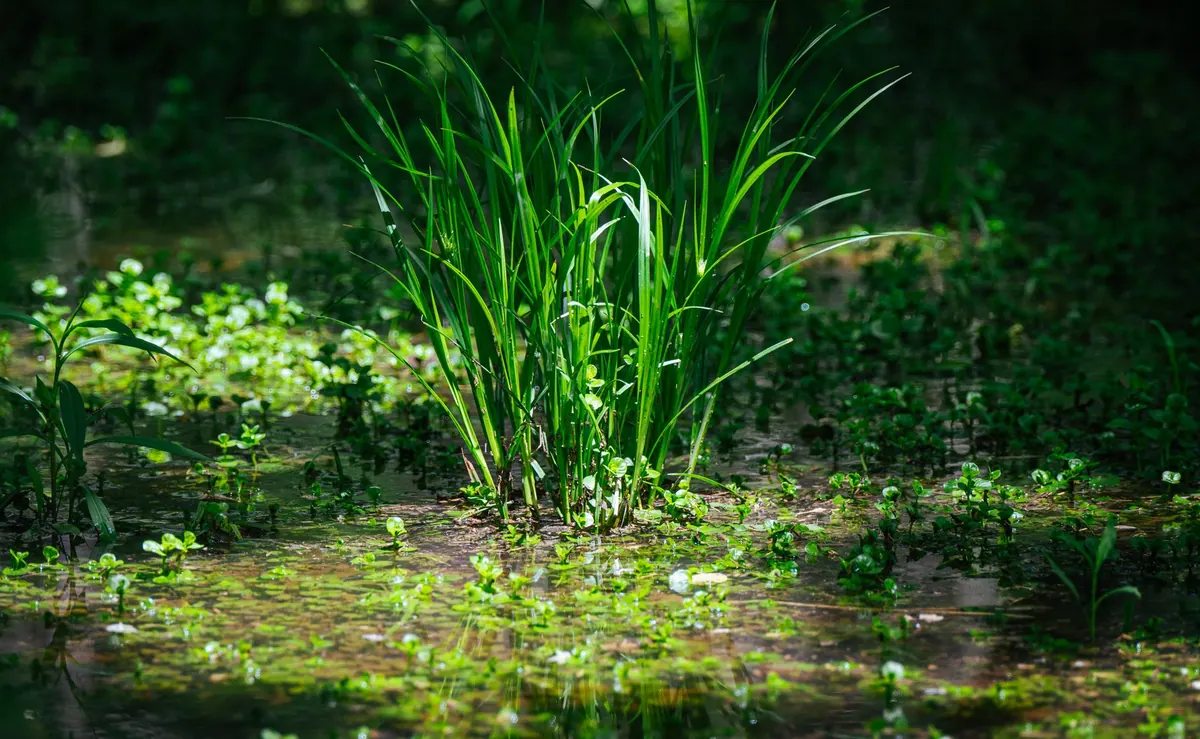
The richest part of a pond, ditch or bog garden is rarely the middle. It is the edge — that damp, shaggy strip where water gives way to soil and back again. Dragonflies haul themselves up stems here to dry their wings. Froglets leave the water and hide in the tussocks. Seed heads stand through the winter for the birds. Plant this zone well and the rest follows: clearer water, more insects, and a garden that looks alive rather than tidy.
So what goes in? Native species, ideally of UK provenance, matched to how wet your edge actually is. Below is a working checklist of marginal and bankside plants, with notes on where each one earns its keep.
Why the edge matters more than the middle
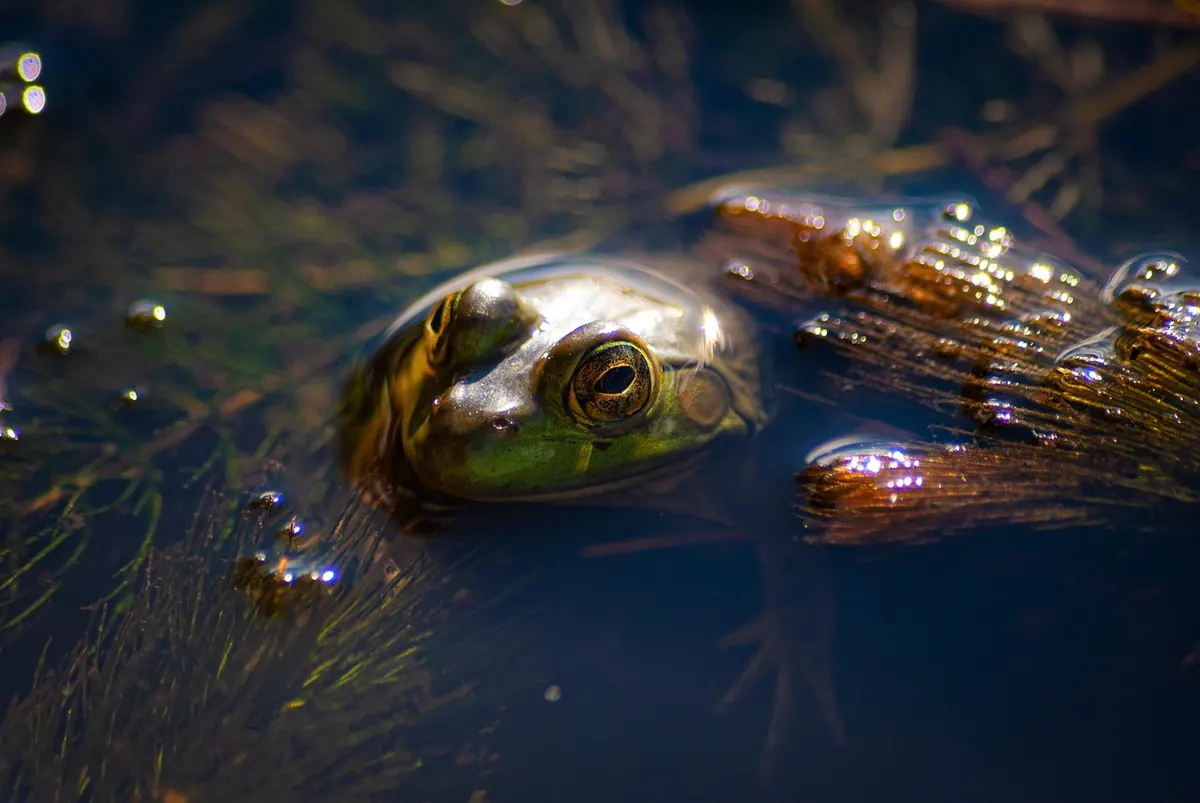
A pond with vertical sides and mown grass to the rim supports a fraction of the life of one with a shallow shelf and a ragged border. The margins are the nursery: tadpoles, newt larvae, water boatmen, damselfly nymphs. Emergent plants — those rooted in water but rising clear of the surface — give emerging dragonflies the ladder they need, and give frogs somewhere to sit half in and half out.
Aim for a graded edge rather than a step. If you have the room, create a shelf around 10–30cm deep, then a muddier drawdown zone that floods in winter and dries in summer. That variation is what makes the planting interesting, and it is where most of the wildlife happens.
Marginal plants for shallow water
For early colour and cover
- Marsh marigold (Caltha palustris) — the first big splash of yellow, often in March. Plant at 0–15cm; it dies back by midsummer, so pair it with something later.
- Water forget-me-not (Myosotis scorpioides) — low, long-flowering and excellent at the waterline, where its mat of stems hides froglets. 0–10cm.
- Cuckooflower (Cardamine pratensis) — pale lilac in spring on damp ground just above the water; a food plant for orange-tip butterflies.
For height and late nectar
- Purple loosestrife (Lythrum salicaria) — magenta spires from July, thick with bees and hoverflies. 0–30cm. Clump-forming, so it behaves.
- Hemp agrimony (Eupatorium cannabinum) — dusty pink heads in late summer that butterflies queue up for. Happier on the bank than in standing water.
- Common club-rush (Schoenoplectus lacustris) — tall, smooth, hollow stems that dragonfly nymphs climb with ease. 10–40cm. Vigorous, so give it space.
- Flowering rush (Butomus umbellatus) — umbels of pink in late summer, and handsome twisted seed heads after. 10–30cm.
For structure and quieter detail
Water plantain (Alisma plantago-aquatica) sends up whorls of small pale flowers on stiff stems and looks good well into winter. Lesser spearwort (Ranunculus flammula) is a small, cheerful buttercup for muddy edges. Yellow flag iris (Iris pseudacorus) is the boldest of the lot and worth having, but it spreads — plant it in a basket or be ready to thin it every couple of years. In deeper water, white water lily (Nymphaea alba) needs roughly 60cm or more, and floating frogbit (Hydrocharis morsus-ranae) drifts about usefully in sheltered spots.
Bankside and bog garden plants
Above the waterline, you are planting a damp meadow rather than a pond. Meadowsweet (Filipendula ulmaria) and common valerian (Valeriana officinalis) give height and a long season of tiny insect-friendly flowers. Sneezewort, devil's-bit scabious and ragged robin fill the middle ground with nectar from midsummer onwards. Water avens and marsh woundwort suit shadier, wetter corners.
Then add grasses and sedges, which do more for wildlife than most people expect. Tussock sedges (Carex species), rushes (Juncus), tufted hairgrass and purple moor-grass give cover, nesting material and overwintering sites for invertebrates. Royal fern (Osmunda regalis) is the elegant exception — slow to establish, but worth the wait in a bog garden.
Trees and shrubs for damp ground
A little woody structure at the back of a wetland edge shelters insects and birds. Alder (Alnus glutinosa) and downy birch cope with wet roots and poor air. Goat willow and other willows are unbeatable early nectar for bees. Alder buckthorn (Frangula alnus) is the food plant of brimstone butterflies, guelder rose feeds berries to birds, and bog myrtle earns its place on acid ground. Keep them well back from the water's edge so leaf litter, not shade, reaches the pond.
The checklist
Before you order anything, run through this:
- Native to the UK, and ideally grown from British seed or stock.
- Matched to your real depths in summer and winter, not the depths you hoped for.
- Flowers spread across spring, summer and autumn, not all in June.
- A mix of heights, from 15cm ground cover to 1.5m stems.
- At least a few hollow or sturdy stems for emerging insects.
- Nothing known to be invasive — check before you accept a cutting from another gardener, and never tip surplus pond plants into a ditch or river.
- Seed heads left standing into winter.
Planting notes
- Mark your levels first. Push canes into the bank at the summer and winter waterlines before you buy, so you know what goes where.
- Plant in autumn or early spring, when the soil is cool and damp and the plants are not under stress.
- Use loam, not rich compost. Peat-free loam holds nutrients without feeding algae. If you must use baskets, line them with hessian rather than plastic mesh, which traps roots and wildlife.
- Space marginals 30–45cm apart. Clump-formers can go closer; spreaders need more room or a basket.
- Top with gravel or washed grit to stop soil floating away and to deter birds from pulling plants out.
- Do not feed. Nutrient enrichment brings blanket weed, algae and cloudy water.
Keeping the edge wild and workable
Leave cutting back until late winter, not autumn. Those dead stems are insect hotels, and the seed heads above them are bird food. When you do cut, take stems down to about 10cm in patches rather than all at once, so something always has cover.
Expect to intervene. Yellow flag, reedmace and club-rush can all take over a small pond, so lift and divide clumps every few years, ideally in early spring, and barrow the surplus to the compost heap — never to a watercourse. Keep a rough strip of unmown grass between the wetland and any lawn or beds to filter runoff from fertiliser and soil.
Finally, buy your plants rather than digging them from the wild. Uprooting wild plants without permission is generally an offence, and you risk carrying invasive species, disease or excess nutrients home with you. Two or three good native nurseries will cover everything here. Start with five species, plant them properly, and spend the first season watching what turns up. The edge will tell you what it wants next.
Photo: Chris F / Pexels